
In plastic product development, many people focus on the part itself, but the real foundation is the mold behind it. If the mold is not designed and built correctly, even a good-looking 3D model can turn into unstable production, cosmetic defects, dimensional variation, assembly issues, and unnecessary cost. On the other hand, when a precision injection mold is developed with the right engineering logic by an experienced plastic mold-making company, it gives you something every manufacturer and brand owner wants: repeatable quality, efficient production, and fewer surprises during scale-up.

At Maidder, we see precision not as a marketing word, but as a practical result of good engineering, correct material selection, disciplined tooling work, and process control from the very beginning. As expert custom molders, we understand that true precision is built into the tool, not just checked at the end.
What Is a Precision Injection Mold?
A precision injection mold is a mold engineered to produce plastic parts with tight dimensional consistency, reliable repeatability, and stable performance over production cycles. This does not only mean “small tolerance.” In real manufacturing, precision is the result of multiple factors working together within a professional plastic mold-making company:
lPart design that is suitable for molding
lCorrect resin selection
lProper gate, runner, and cooling layout
lSuitable mold steel and machining method
lControlled tool assembly and fitting by skilled custom molders
lInspection and validation before production release
lStable molding parameters during production
In other words, precision starts long before the first shot is molded. For many technical parts, especially in electronics, food-contact products, outdoor products, and other close-tolerance applications, the performance of your plastic mold-making company has a direct impact on fit, function, appearance, and long-term production efficiency.
Why Precision Matters in Injection Molding
A well-made precision mold helps reduce the common problems that appear in mass production:
lDimensional inconsistency
lFlash or mismatch
lSink marks and warpage
lUnstable assembly fit
lExcessive mold maintenance
lUnnecessary scrap and rework
When buyers source molded parts, they often compare prices first. However, in many projects, the real cost is not the mold price alone. The real cost comes later if the tool is unstable, if the part quality shifts from lot to lot, or if the mold needs repeated correction after trials. That is why experienced customers usually look for custom molders who care about more than just machining capability. They want to know whether the plastic mold-making company understands the full process—from DFM and mold design to tool build, inspection, sampling, and production control.
The Real Work Starts at the Design Stage
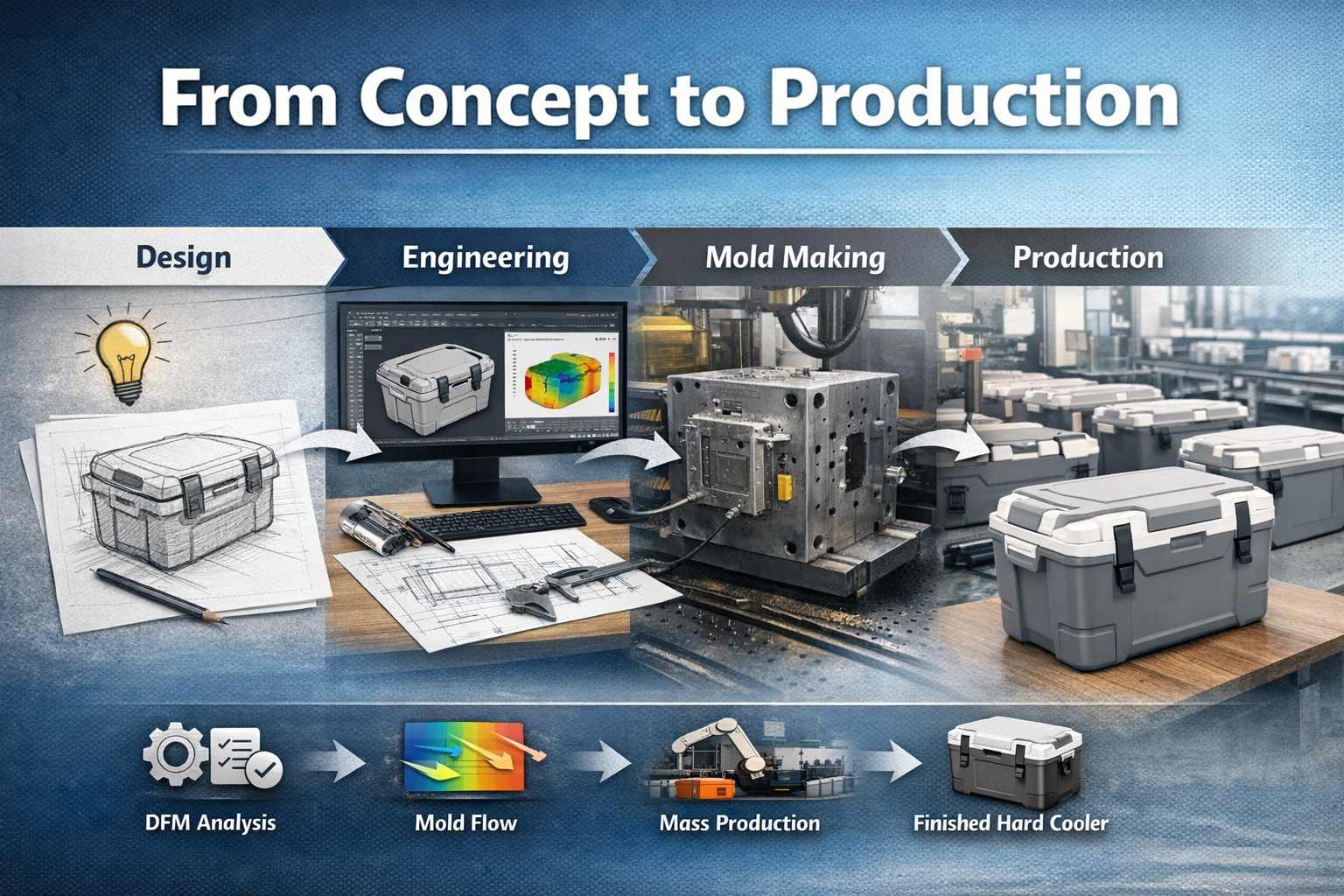
In our experience, many mold problems do not begin in the tooling room; they begin in the product design stage. A part may look acceptable in CAD but still create major molding risks if the wall thickness is uneven, the draft angle is insufficient, the ribs are too aggressive, or the gate location is not considered early enough. Once steel is cut, changes become slower and more expensive.
This is why DFM review is critical for any plastic mold-making company. Before a mold moves forward, custom molders should check the design from a manufacturing point of view, including:
lwall thickness balance and shrinkage behavior
ldraft and demolding conditions
lgate location options and parting line feasibility
lundercut structure and ejector layout
lcosmetic surface requirements
lassembly interface risks
For more demanding parts, mold flow analysis is also valuable. It helps custom molders identify filling balance, air traps, weld line position, and potential warpage risk before tool making starts. A precision mold is rarely the result of machining alone; it is the result of good decisions made early by a competent plastic mold-making company.
Mold Development: Where Precision Is Built
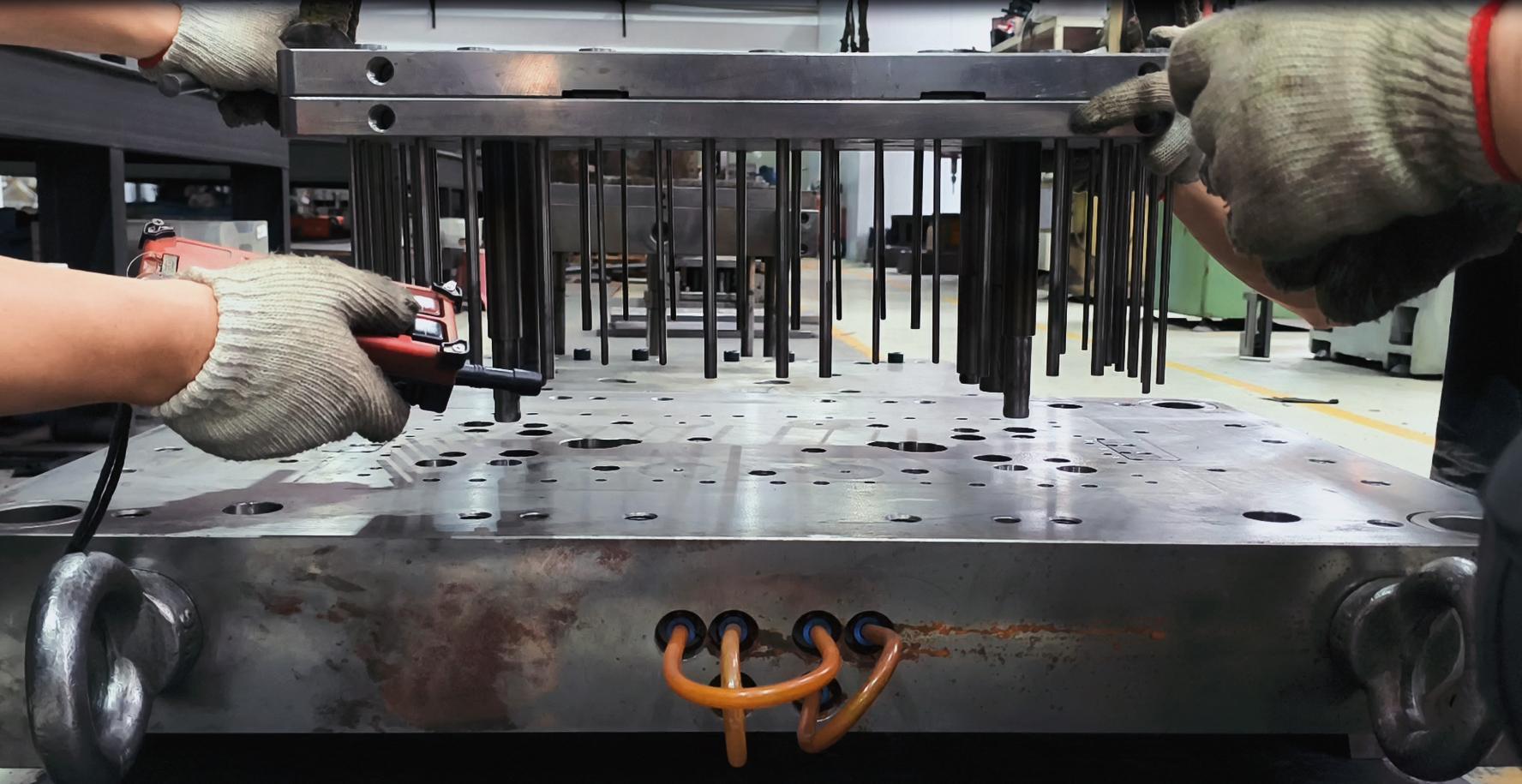
Once the design direction is confirmed, precision depends on how the mold is developed and controlled by your plastic mold-making company. A proper mold development process typically includes:
1. Mold Design
The mold structure must match both the part requirement and the production target, including cavity layout and cooling design.
2. Material and Steel Selection
Professional custom molders select mold steel based on resin type, expected volume, and wear conditions.
3. Machining Accuracy
CNC machining, EDM, and fitting affect final precision. Detail control during assembly distinguishes a reliable plastic mold-making company.
4. Inspection and Validation
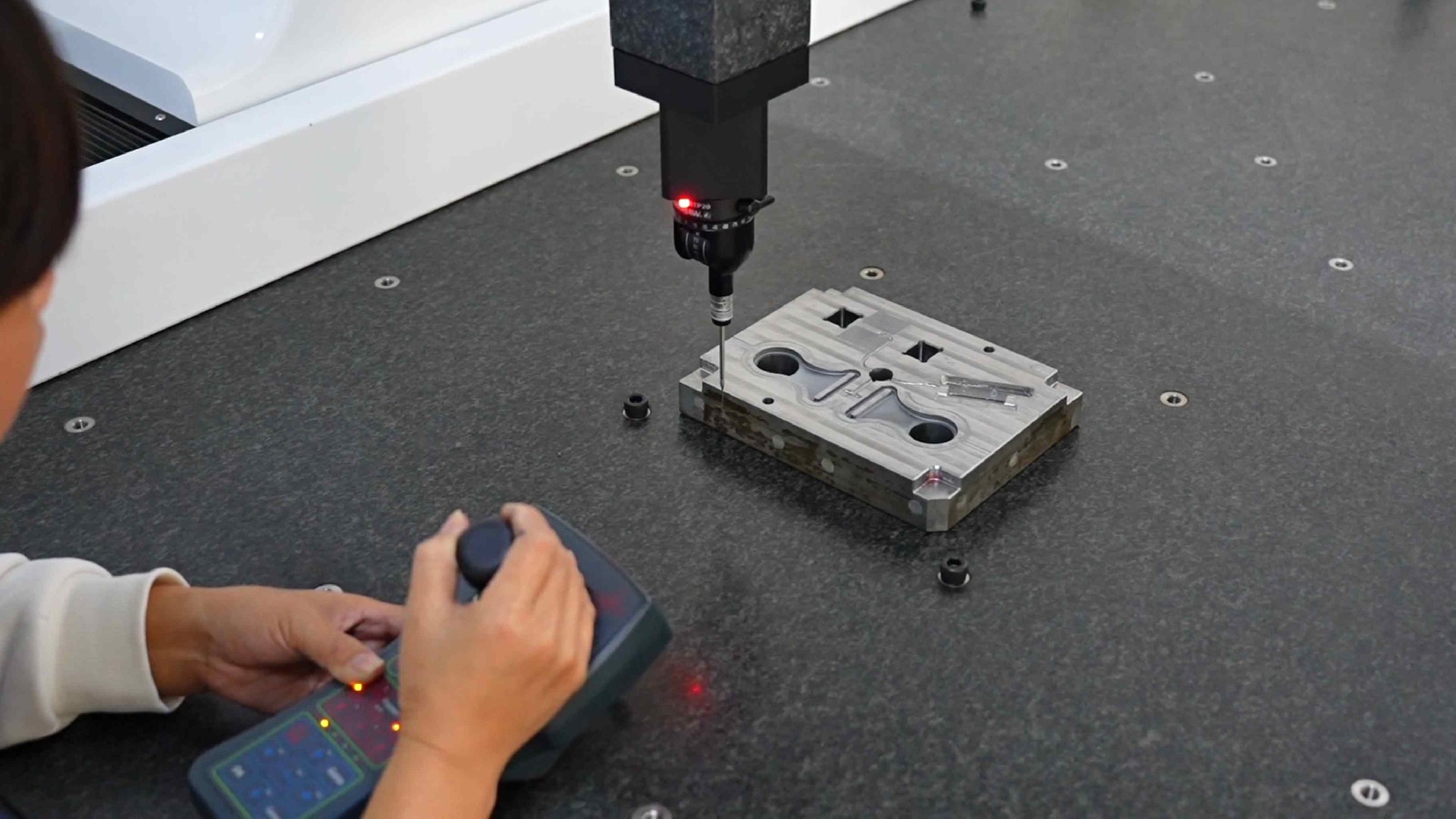
Precision must be verified. Tool components and molded samples need to be checked against real requirements.
5. Trial and Optimization
A good team of custom molders studies the trial result, checks part conditions, and optimizes the process based on actual data.
Common Challenges in Quick-Turn Projects
Quick-turn projects are now very common, but speed often puts pressure on judgment. When the timeline is short, teams may skip design review, which usually creates bigger delays later. This is where the expertise of a seasoned plastic mold-making company becomes vital.
Fast projects can still be successful, but only if the custom molders have enough engineering experience to identify risks early. A good mold partner should not just follow a file; they should tell you what may cause trouble before it becomes expensive.
How Maidder Approaches Precision Injection Mold Projects
At Maidder, our approach is based on a simple principle: precision comes from process control, not from promises. As specialized custom molders, we support customers from design through tooling, molding, and assembly, reducing communication gaps. Our plastic mold-making company works on product development with manufacturing in mind.
For quality control, we use a dedicated process supported by CMM and optical measuring equipment. Our procedures follow structured development methods such as APQP, FMEA, and PPAP. With experience as both custom molders and a plastic mold-making company, we look at a project from both the engineering and production sides. Our China and Cambodia manufacturing setup also gives customers more flexibility in their supply chain strategy.
What Customers Should Look for in a Precision Mold Supplier
If you are selecting a plastic mold-making company for a precision project, look beyond the quotation. A capable team of custom molders should show strength in:
lclear DFM thinking and practical mold design experience
lsuitable machining, fitting, and dimensional inspection ability
lsampling and validation discipline
lunderstanding of mass production stability
The right plastic mold-making company should also be willing to challenge design risks early. Honest technical feedback from custom molders is often more valuable than a fast quotation with no engineering discussion.
Final Thoughts
Precision injection molds are important whenever a part needs stable dimensions and repeatable production performance. A mold is not just a tool; it is a decision point that affects quality and cost throughout the life of the project. At Maidder, we believe the best precision mold work is built on practical engineering and careful validation. As your plastic mold-making company, we help you move from concept to stable manufacturing with fewer risks.
If you are looking for reliable custom molders to review your project before tooling starts, our team is ready to help.
FAQ
Q: What makes a mold “precision” rather than standard?
A: A precision mold is developed by a plastic mold-making company for tighter dimensional consistency and better control over fit and function. It requires more attention to tool structure and validation from custom molders.
Q: Can precision injection molds support complex part designs?
A: Yes, but complex designs must be evaluated carefully by your plastic mold-making company. Custom molders must consider geometry, wall thickness, and material behavior to ensure the design can be molded reliably.
Q: Is mold flow analysis necessary for every project?
A: Not always. However, for close-tolerance parts, professional custom molders often use it to reduce warpage or filling risks before toolmaking begins.
Q: How does Maidder control mold and part quality?
A: As a dedicated plastic mold-making company, we use structured development procedures and dimensional inspection tools such as CMM and optical measuring equipment to support validation.
Q: What information should be prepared before starting a mold project?
A: Provide 3D files, resin preference, and application scenarios to your custom molders. The clearer the input, the more efficiently your plastic mold-making company can move.
