
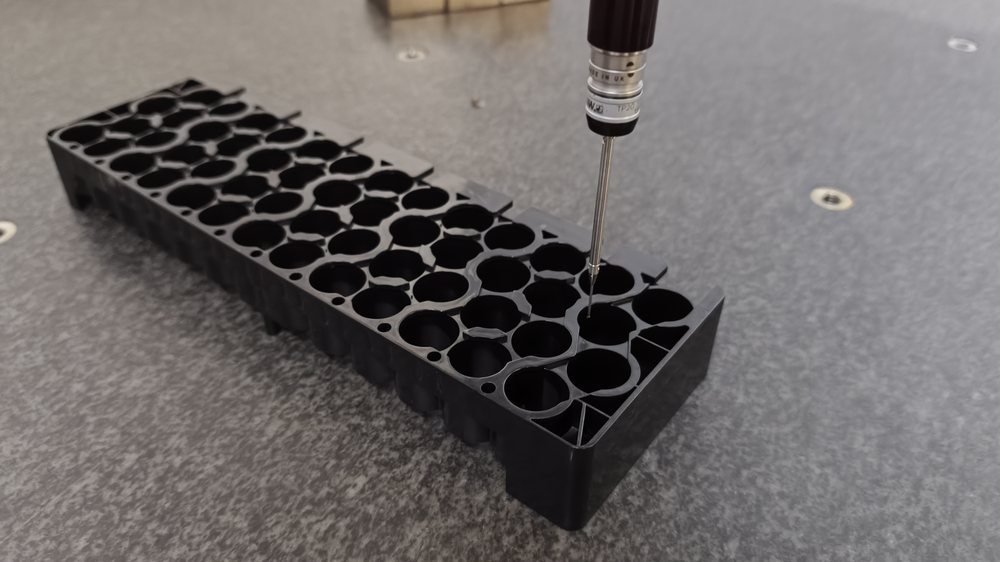
The foam injection molding process is used when a plastic part needs a lighter structure, better insulation behavior, or a more controlled internal form than a standard solid shot can deliver. In hard coolers and insulated plastic parts, the foam injection molding process helps teams manage weight, wall structure, and assembly flow while keeping the part suitable for repeated use.
What the Foam Injection Molding Process Controls
The foam injection molding process begins with the part's shell design, then moves into resin behavior, foam development, and cavity balance. If the shell is too thin or the flow path is poorly planned, the result may be weak edges, uneven fill, or surface variation that shows up after trimming or assembly.
For insulated plastic parts, the process has to support the outer shell and the internal foam structure at the same time. That means the mold, the material, and the cooling sequence must all support a stable shape before the part moves into downstream assembly.
Maidder already works with foaming and injection molding as part of its molding capability, which makes it relevant when a project needs both regular injection molding and foam-related process control inside the same production environment.
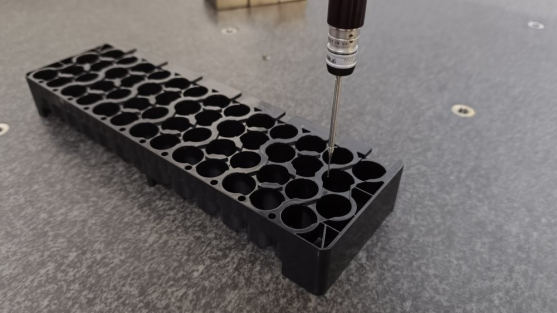
Why Hard Cooler Parts Need Process Discipline
Hard cooler components often need more than basic appearance. They may need wall strength, fit accuracy, and enough internal structure to support insulation performance, hinges, latches, handles, and repeated handling in real outdoor use.
If the process is unstable, the shell can warp, the foam can create uneven support, or the final part can lose the clean assembly fit that a cooler depends on. That is why the foam injection molding process should be treated as a full workflow, not a single machine setting.
Molded Shell Structure
The molded shell has to be designed so the foam can form without distorting the outside shape. Curves, ribs, closures, and trim lines need to be planned together, because a shell that looks fine on screen may still be hard to foam and assemble in production.
When the shell is designed well, the part keeps its shape during foaming, and the final component can be trimmed, fitted, and joined more cleanly. That is especially important for insulated plastic parts that will later become part of a lid, body, liner, or support frame.
Foam Filling and Insulation Stability
There should be no creation of pockets or voids that would create uneven pressures on the shell. Any difference in foam distribution will result in the part being different in the hand, sitting improperly when assembled, or a difference in insulating performance.
Stable foam development depends on cavity design, fill path, venting, and the timing of the process. The goal is not only to make the part light, but to make the internal structure dependable enough that the cooler or insulated component keeps its form after production.
Tooling and Material Choices for Foam Parts
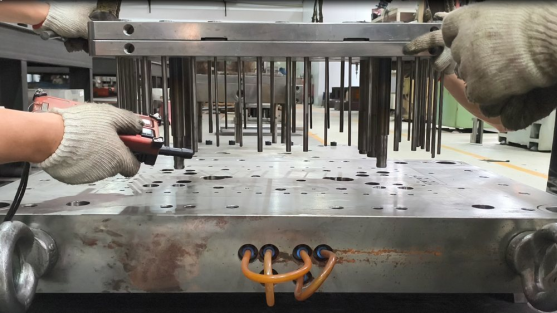
Tooling decisions matter because foam-related parts need the mold to control both shape and release. A well-built tool should support even flow, proper venting, clean parting lines, and predictable cooling so the shell does not distort before the part is ready for assembly.
Maidder's tooling capability includes CNC machining, spark erosion, aluminium prototype tools, P20, fully hardened multi-cavity tools, and valve gate hot runner systems. That matters for the foam injection molding process because the right tool makes it easier to hold shape while the part is being formed and trimmed.
Material choice also affects the process. Resin flow, stiffness, shrinkage, and surface behavior all influence how the foam part behaves, so the selected plastic should match the product's insulation target, strength target, and long-term handling needs.
Our quality assurance and measurement capability help when a foam part must be checked for shape retention, fit, and downstream assembly behavior rather than only for surface appearance.
Assembly Steps After Foaming
Once the part is formed, the next stage is usually trimming, fitting, joining, or other assembly work. This is where many insulated plastic parts succeed or fail, because a shell that looks acceptable can still be difficult to close, align, or seal correctly after the foam has set.
Maidder's production scope includes assembly, ultrasonic welding, packing, and OEM Cambodia support, which is useful when foamed parts need a controlled route from molded component to finished product. A stable assembly path keeps the foam injection molding process connected to the final product instead of stopping at the molded shell.
Quality Checks for Hard Cooler Components
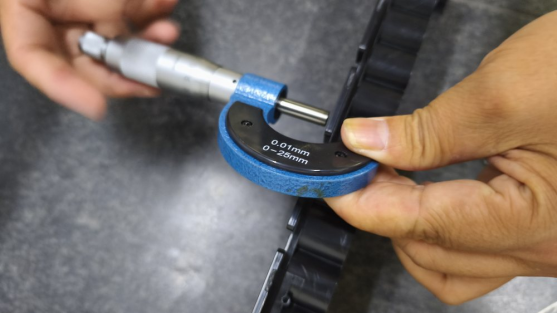
Quality checks should confirm shape, fit, surface condition, and assembly behavior. For hard cooler components, the most useful checks are those that show whether the shell stays aligned, the closure sits correctly, and the part holds its intended geometry after foaming and cooling.
Maidder's quality tools, including CMM, optical measuring equipment, Minitab, APQP, MSA, FMEA, PPAP, and functional and dimensional assessment, help connect inspection with process stability. That is important because a foam injection molding process that is only judged by appearance can miss the dimensional drift that causes later assembly trouble.
How Maidder Supports Insulated Plastic Part Production
Maidder is a practical fit for insulated plastic parts because it can link design, tooling, moulding, assembly, and quality support within an integrated production process. Our moulding capability also includes vertical moulding for inserts, 2K moulding, and low-to-high volume production with robots and automation, which gives the project more flexibility when the insulated product has extra hardware or multi-step assembly needs.
For product teams working on hard coolers, outdoor leisure items, or other insulated plastic parts, that kind of continuity helps the foam injection molding process stay consistent from development to production. It means the team can solve shell, foam, and assembly problems as one system instead of treating them as separate surprises.
Conclusion
The foam injection molding process is strongest when shell design, foam behavior, tooling, and assembly are developed together. In hard cooler and insulated plastic parts, that coordination helps the product stay lighter, hold shape better, and move through production with fewer fitting problems.
Maidder brings the engineering and production steps together in a way that suits custom insulated plastic products.
Talk with Maidder when your next foam injection molding process needs a stable shell, dependable assembly, and a clearer route to finished parts.
FAQ
Q: What is the foam injection molding process used for?
A: Foam injection molding technology is utilized in order to manufacture plastics that have a lighter structure on the inside or an improved insulating capability in comparison with the solid item. The technology can be used for making items like hard coolers, insulating plastics, and many other objects.
Q: Why are hard cooler parts a good match for foam molding?
A: Hard cooler parts need structure, fit, and insulation-oriented behavior in the same product. Foam molding can help support those needs when the shell, foam formation, and assembly steps are designed together, so the finished part stays stable in use.
Q: What problems happen when the foam process is unstable?
A: An unstable process can cause warpage, uneven support, voids, poor fit, or trim problems after molding. In insulated plastic parts, those issues can make assembly harder and reduce the consistency of the finished product.
Q: What should quality checks cover for foam molded parts?
A: Quality checks should cover shape retention, surface condition, fitting accuracy, and how the part behaves in later assembly. Dimensional measurement and functional assessment matter because foam-molded parts often need to fit other components cleanly after cooling.
