
Injection mold cooling design controls far more than how fast a plastic part leaves the mold. It shapes cycle time, shrinkage, warpage, surface finish, dimensional stability, and long-term production behavior. When cooling channels are designed around the part geometry, resin, wall thickness, and gate strategy, custom injection molding becomes more predictable and less dependent on repeated machine adjustments.
Why Injection Mold Cooling Design Decides Part Stability
Cooling is often the longest part of an injection molding cycle, but speed alone is not the goal. A part must cool evenly enough to hold its shape after ejection and during later assembly. If one area remains hot while another has already solidified, internal stress can pull the part out of alignment.
This is why injection mold cooling design should be considered during tooling, not corrected after production begins. Cooling channels, steel thickness, parting-line strategy, gate location, and ejection timing all influence whether the molded part can repeat the same shape over many cycles.
Cooling Time, Shrinkage, and Warpage
Plastic shrinks as it cools, and that shrinkage is rarely perfectly uniform. Thick sections hold heat longer, ribs cool differently from flat walls, and bosses can create local stress around fasteners. When cooling is uneven, plastic part warpage may appear after ejection or even after the part rests at room temperature.
A practical cooling assessment looks for hot spots around heavy sections, long flow paths, deep ribs, hinge areas, and sealing surfaces. These zones often define whether a part will assemble smoothly, seal correctly, or maintain an acceptable cosmetic surface.
Why Thick Sections Need Special Attention
Thick-wall parts, insulated plastic structures, and hard cooler components need careful cooling attention because mass and geometry slow heat removal. If the outside freezes while the inside remains warm, sink marks, void risk, or late dimensional movement can follow. Longer cooling time may help, but it can also reduce efficiency if the mold layout itself is weak.
Better cooling design starts by asking where heat will concentrate and how the tool can remove it consistently. That may involve channel placement, baffles, bubblers, insert materials, improved venting, or a revised part structure before steel is finished.
Cooling Channels, Gate Strategy, and Flow Balance
Matching Cooling Layout to Part Geometry
Cooling channels should follow the real thermal load of the molded part, not simply fit wherever there is open steel. Flat cosmetic surfaces, deep cores, thick corners, and long ribs may each need different cooling logic. A balanced design helps the part solidify with less internal stress and a more stable final shape.
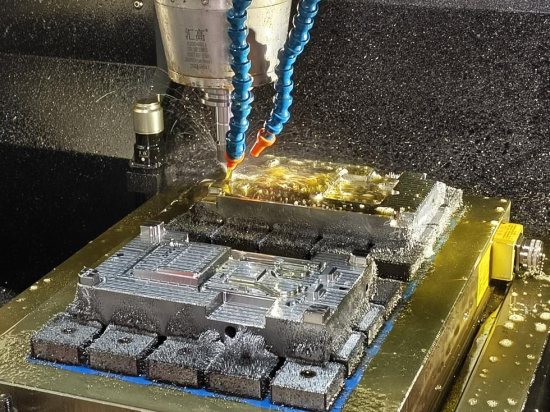
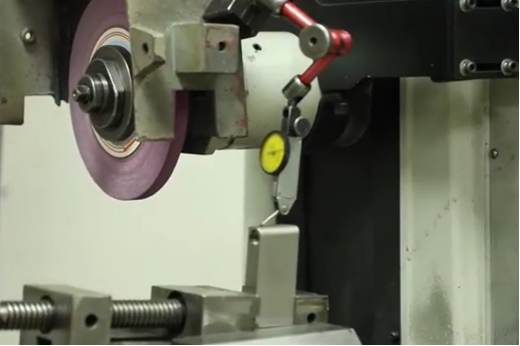
High-precision mold tooling relies on accurate machining because cooling layout depends on physical position inside the mold. Maidder uses CNC milling, turning, EDM, wire EDM, surface grinding, and imported 3-, 4-, and 5-axis CNC machining centers to produce mold parts and fixtures that support controlled tooling geometry.
How Gate Position Influences Heat and Pressure
Gate strategy affects how resin flows, packs, and cools inside the cavity. A gate that fills the part unevenly may create weld lines, pressure imbalance, or different cooling rates across the part. Even when the cooling channels are well placed, poor gate logic can still create warpage or appearance problems.
Understanding the relationship between runner design and overall molding performance is equally important. As discussed in Maidder’s Hot Runner vs Cold Runner Mold: Quality and Production Differences, runner selection influences molten plastic control, production efficiency, and part consistency. Cooling design should therefore be evaluated as part of the complete molding system rather than as an isolated mold feature.
Process Control After the Mold Enters Production
Mold Temperature, Packing Pressure, and Cycle Balance
Mold temperature control does not replace good cooling design, but it helps keep the mold operating inside a stable window. If cooling channels are unbalanced, operators may try to compensate with longer cooling time, changed packing pressure, or adjusted melt temperature. Those changes may improve one defect while creating another.
A better process separates tooling issues from machine settings. When the mold removes heat consistently, injection molding cycle time can be optimized without forcing the part out of dimensional control. That is how cycle improvement protects quality rather than simply making the machine run faster.
Inspection Feedback from CMM and Quality Checks
Inspection data can reveal cooling problems that are not obvious in a single visual check. CMM measurement may show one corner lifting, a hole pattern drifting, a sealing plane twisting, or an assembly surface moving after the part cools. These patterns can point back to hot zones, uneven packing, or geometry that needs better support.
Maidder's quality assurance work includes CMM, optical measuring equipment, PPAP-related planning, and dimensional checks. This helps connect measured part behavior with tool design, process setup, and production approval, especially when the molded component must join with other parts in an assembly.
Where Maidder's Tooling and Moulding Capabilities Fit
CNC Machining, EDM, and Toolroom Support
Cooling design becomes real only when the toolroom can machine it accurately. Deep features, inserts, shutoffs, cores, and cooling paths must be manufactured with enough precision to support the intended thermal behavior. Tool steel choices can range from aluminium prototype tooling to P20 and fully hardened multi-cavity tools with valve gate hot runner systems.
Maidder's in-house toolroom supports tooling through milling, spark erosion, EDM, wire EDM, surface grinding, and CNC machining. That matters because cooling changes often need close coordination between the mold designer, toolmaker, moulding engineer, and quality team.
From Custom Mold Builds to Stable Injection Moulding
After the mold is built, cooling performance must be observed through real injection moulding. Maidder has injection moulding capability from 82g up to 3,000g, 39 molding machines in-house, and experience with materials such as PC, ABS, PP, TPE, POM, Nylon, filled materials, and blended materials.
The value of this production environment is not just machine count. It is the ability to connect mold behavior, material response, process settings, inspection results, assembly requirements, and production rhythm. That connection is essential when a cooling issue affects cycle time and part quality at the same time.
Application Scenarios That Depend on Cooling Balance
Hard Coolers and Outdoor Plastic Parts
Hard cooler components and outdoor plastic parts often include thick walls, large surfaces, hinge zones, handle areas, and sealing structures. These features can hold heat differently across the same part. Injection mold cooling design must support dimensional stability before secondary operations or assembly steps add more constraints.
Cooling imbalance in this type of part can lead to warped lids, uneven sealing contact, sink around thick handles, or assembly stress around fitted components. A stable mold design helps the finished product feel solid, align correctly, and maintain its intended function in outdoor use.
Small Appliance Housings and Structural Plastic Components
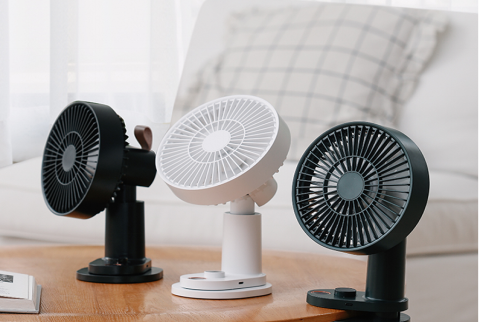
Small appliance housings require a different balance between appearance and function. Outer surfaces must remain clean, while internal ribs, screw bosses, vents, snap fits, and motor clearance areas must hold their positions. Cooling channels that ignore these functional zones may produce parts that look acceptable but assemble poorly.
In structural plastic components, cooling also affects how the part behaves after fastening. If internal stress remains high, a housing may deform after screws are tightened or after the product experiences temperature changes in use. Good mold cooling reduces these delayed risks.
Conclusion
Injection mold cooling design is one of the quiet engineering decisions that defines whether custom injection molding stays stable in production. It influences cycle time, warpage, shrinkage, surface quality, and the way molded parts behave during assembly.
Maidder combines tooling, moulding, CNC machining, and quality control to help cooling decisions move from mold design into repeatable plastic part production.
Contact Maidder to see how controlled injection moulding supports stable manufacturing for custom plastic components.
FAQ
Q: What is injection mold cooling design?
A: Injection mold cooling design is the planning of cooling channels and heat-removal features inside a mold. It helps control how quickly and evenly plastic solidifies after injection. Good cooling design supports cycle time, dimensional stability, surface quality, and lower warpage risk.
Q: How do cooling channels affect injection molding cycle time?
A: Cooling channels remove heat from the molded part and tool steel. When channels are positioned well, the part can solidify more evenly and leave the mold sooner without losing shape. Poor channel design often forces longer cooling time or creates quality problems when cycle time is reduced.
Q: Can cooling design reduce plastic part warpage?
A: Yes, good cooling will help avoid warping by ensuring that heat is distributed evenly within thick sections, ribs, bosses, large surface areas, and functional areas. Good cooling cannot solve all design problems, but it can help prevent differential contraction and stresses that could cause deformation of a molded part.
Q: Why should cooling be assessed before mold steel is finished?
A: Cooling is much easier to improve before the mold is fully finished. Early assessment allows engineers to adjust channel layout, gate strategy, wall thickness, insert design, or critical features before changes become expensive and disruptive. It also supports a more stable trial and production process.
