
Injection molding process validation is the practical bridge between a good mold trial and stable plastic part production. It confirms that material behavior, machine settings, tooling condition, inspection results, and operator controls can repeatedly produce parts that meet the intended fit, function, and appearance. For OEM plastic parts, validation is not paperwork after production; it is the disciplined process that prevents unstable dimensions, assembly trouble, and late-stage quality drift.
Why Injection Molding Process Validation Matters
A plastic part can look acceptable after a first trial and still fail when the process moves into longer production. Resin temperature, clamping behavior, cooling balance, gate performance, and ejection timing all influence whether a part remains consistent after the first good sample.
Injection molding process validation gives the engineering team a structured way to separate a lucky shot from a capable process. It checks whether the tool, material, and molding window can hold the same result across real operating conditions, not only in a short sample run.
For projects that need design, tooling, molding, assembly, and inspection to work together, Maidder connects product design support with downstream manufacturing decisions before the part reaches mass production. That continuity is especially useful when a plastic component has tight assembly surfaces, cosmetic areas, or functional features that depend on repeatable molding behavior.
What Happens Before Production Approval
Tool Readiness and Material Confirmation
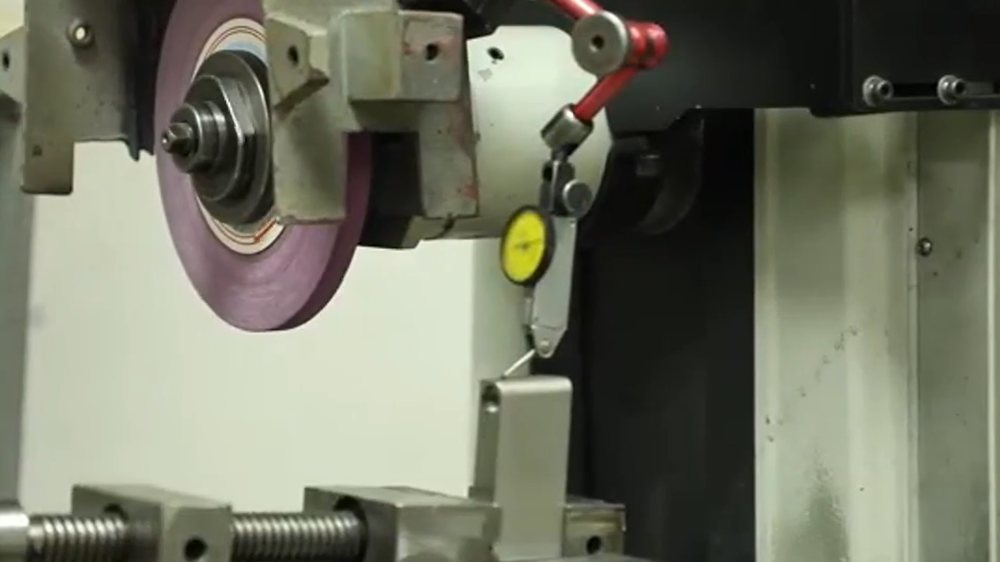
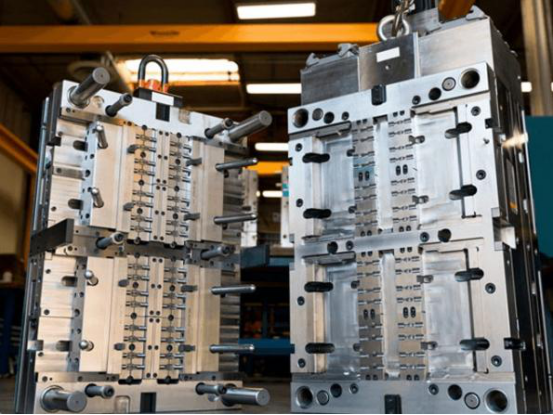
Validation starts before the molding machine runs at production pace. The tool must be checked for cavity condition, parting line fit, venting, runner or gate condition, cooling layout, and ejection movement, because each of those details can influence the final part.
Material confirmation is just as important. Maidder works with common engineering and commodity plastics such as PC, ABS, PP, TPE, POM, Nylon, and filled or blended materials, so each project needs a clear match between resin behavior and the part's application. A resin that flows easily may still be wrong if it creates shrinkage, stress, or surface issues in the final product.
First-Shot Assessment and Dimensional Checks
The first molded samples are used to understand how the mold is behaving under real heat and pressure. Engineers look for obvious problems such as short shots, flash, sink, weld lines, burn marks, and warpage, but the deeper value comes from measuring the features that affect assembly or product function.
A good first-shot assessment does not end with pass or fail. It should identify whether the process needs a tooling adjustment, a gate change, a cooling balance assessment, or a molding-window adjustment before the next stage of validation.
How Maidder Connects Inspection With Process Control
Inspection has the most value when it feeds back into process control. A measurement report should help the team decide whether the molding process is stable, whether the tool needs correction, and whether the part can move into a controlled production run.
Maidder's quality assurance capability includes CMM, optical measuring equipment, Minitab, functional and dimensional assessment, and process controls that support repeatable manufacturing. These tools help turn sample results into production decisions instead of leaving quality judgment to visual checks alone.
CMM and Optical Measurement
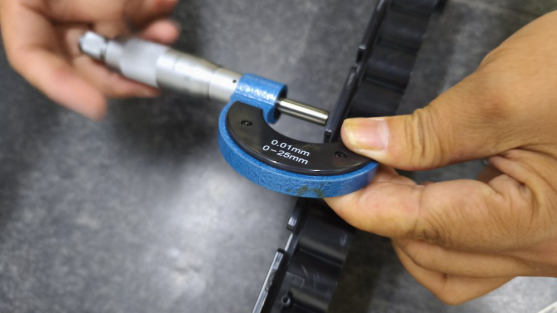
CMM inspection is useful when a plastic part has critical dimensions that affect sealing, fastening, alignment, or movement. It can measure geometry that is difficult to judge by eye, especially when the part has ribs, bosses, mating edges, or molded features that must fit another component.
Optical measurement supports smaller or surface-sensitive features where contact inspection may not be the most practical method. Used together, these inspection approaches help the team understand both the visible part and the dimensional behavior behind it.
Minitab and Process Capability Analysis
Dimensional data becomes more powerful when it is studied across repeated samples. Minitab and process capability analysis help show whether variation is random, trending, or tied to a controllable process factor.
This matters because injection molding process validation should prove stability, not simply confirm one acceptable batch. If measurement results move toward a tolerance edge, the team can adjust the process before the issue becomes a production problem.
Applications That Need Stable Validation
Outdoor products, electronics housings, food-contact parts, automotive components, and assembled plastic products all depend on process stability in different ways. A hard cooler component may need fit and shell stability, while an electronics housing may need reliable fastening points and clean external surfaces.
Food-contact applications place extra emphasis on material selection, surface quality, and repeatable processing. Automotive and technical components often need stronger dimensional discipline because the molded part may sit inside a larger assembly where small changes create downstream fit issues.
Maidder's moulding service includes low-to-high volume production, robots and automation, assembly, packing, ultrasonic welding, vertical moulding for inserts, two shot moulding, and foaming-related molding capability. That range allows validation work to consider the complete route from molded part to finished assembly.
Choosing a Validation-Focused Manufacturing Path
A validation-focused path should begin with the features that matter most to the final product. Critical dimensions, sealing surfaces, snap fits, hinge areas, insert locations, cosmetic faces, and assembly interfaces should guide the molding and inspection plan. Maidder is a practical choice when a project needs engineering communication across mold making, molding, and inspection.
Conclusion
Injection molding process validation turns plastic part production from a trial-based activity into a repeatable manufacturing system. When tooling, material behavior, measurement data, and production control work together, molded parts are easier to assemble, easier to inspect, and easier to keep stable over time.
Maidder brings design, tooling, molding, and quality control into one connected route for OEM plastic parts that need dependable production behavior.
Contact us when your next plastic part needs injection molding process validation that supports stable production from sample approval to finished assembly.
FAQ
Q: What is injection molding process validation?
A: Injection molding process validation confirms that a mold, material, machine setup, inspection method, and production control plan can repeatedly produce acceptable plastic parts. It checks stability across the process, not just the appearance of a few early samples.
Q: When should validation start in a plastic part project?
A: Validation should start before production approval, ideally during tool trial and sample assessment. Early checks on tool readiness, resin behavior, first-shot dimensions, and critical features help the team correct problems before they become harder to solve in production.
Q: Which inspection tools support process validation?
A: CMM inspection, optical measurement, dimensional assessment, Minitab analysis, and process capability studies can all support validation. The right mix depends on the part geometry, tolerance needs, functional surfaces, and whether the part must fit into a larger assembly.
