
Plastic injection molding becomes reliable only when the mold trial process proves that a tool, material, machine setup, and inspection method can work together repeatedly. A T0 sample is not the finish line; it is the first physical evidence that shows whether the mold is ready for refinement, validation, and stable mass production. For custom plastic parts, the strongest projects treat mold trials as a disciplined engineering loop rather than a quick sample run.
Why Plastic Injection Molding Needs a Controlled Mold Trial
A molded part may look acceptable after the first shot but still hide risks in shrinkage, flash, short filling, weld lines, sink marks, or assembly fit. The mold trial process separates cosmetic acceptance from real production capability and shows whether the issue belongs to part design, tooling, resin behavior, machine settings, or cooling balance.
This matters most when a product must move from prototype confidence to repeatable output. Maidder supports plastic injection molding projects through design assessment, in-house tooling, moulding, assembly, and quality checks, so trial feedback can move back into the toolroom and process setup without losing engineering context.
What T0 Samples Reveal Before Production
T0 samples show how the first completed tool behaves under heat, pressure, and real resin flow. Engineers check filling pattern, gate vestige, venting, parting-line condition, ejection marks, and dimensional movement after cooling. The goal is to decide what adjustment will make the next trial more stable.
A useful T0 assessment also looks at how the part will function in the final product. A hard cooler component, small appliance housing, home storage part, or assembled plastic structure may need sealing, fastening, hinge movement, surface appearance, or ultrasonic welding compatibility. These requirements should shape the trial checklist from the start.
Why Early Mold Feedback Protects Part Function
Plastic parts often fail through small mismatches rather than dramatic defects. A rib that cools unevenly can create sink. A boss that is too tight can crack around a screw. A latch surface that shrinks out of position can make an assembled product feel loose even when the visible surface looks clean.
Early mold feedback protects the function behind the appearance. When toolmakers, moulding engineers, and quality teams study the same samples, they can decide whether to adjust steel, tune processing conditions, refine cooling, or revisit the part geometry before production pressure increases.
Mold Trial Process Steps That Stabilize Custom Plastic Parts
Design Assessment and Tool Readiness
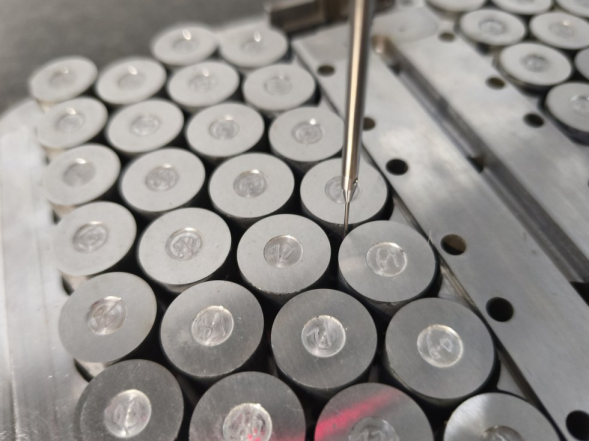
Before the machine runs, the team checks whether the tool matches the approved design intent. This includes parting lines, slides, lifters, inserts, venting, gates, ejector layout, and the surfaces that affect assembly or appearance. For export-oriented tooling, standard components and maintenance access also matter because the mold must remain serviceable through its production life.
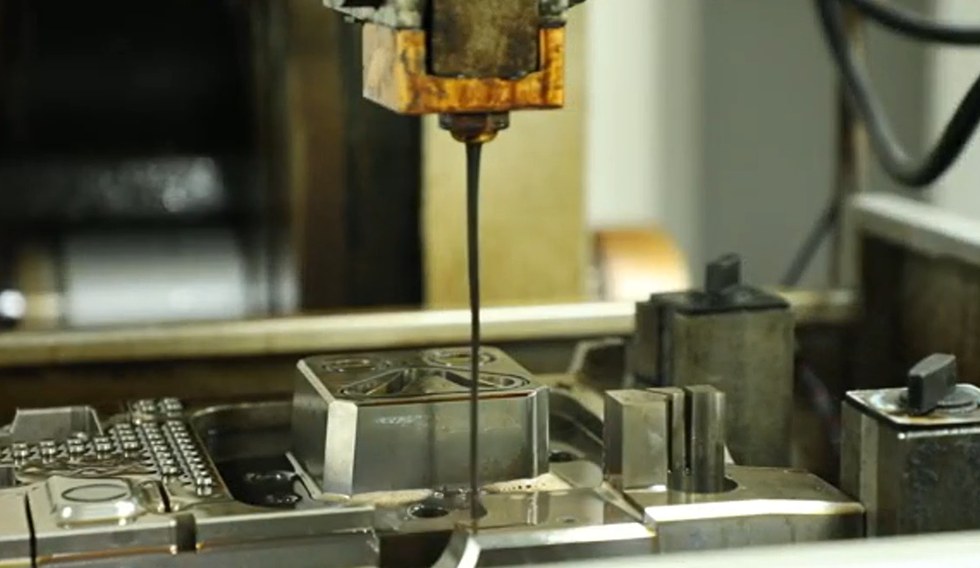
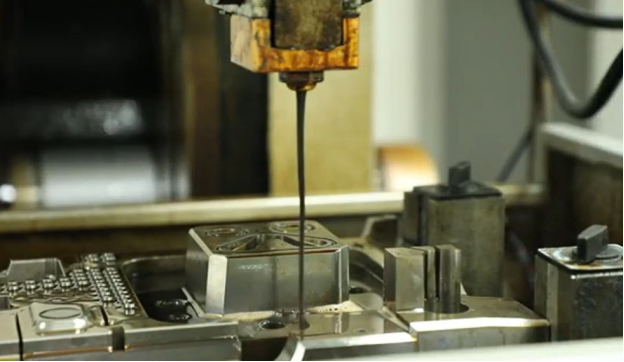
Maidder's toolroom works with CNC milling, spark erosion, EDM, wire EDM, surface grinding, and precision machining for mold parts and fixtures. Tooling can range from aluminium single-impression prototypes to P20 and fully hardened multi-cavity tools with valve gate hot runner systems.
Resin, Temperature, Packing, and Cooling Checks
Once the mold is installed, the trial should establish a practical processing window instead of chasing one good shot. Melt temperature, mold temperature, injection speed, holding pressure, cooling time, and ejection timing all influence final dimensions and surface condition.
Material behavior is equally important. Maidder works with plastics such as PC, ABS, PP, TPE, POM, Nylon, and filled or blended materials. Each resin responds differently to shear, cooling rate, packing pressure, and wall thickness, so the trial method must match the material rather than rely on a generic molding recipe.
Dimensional Inspection and CMM Feedback
CMM inspection helps convert a trial sample into engineering evidence. Critical dimensions, flatness, hole locations, sealing surfaces, and assembly interfaces can be measured against the product drawing so the team can see how the molded part is moving. Optical measuring equipment can support small or surface-sensitive features where contact measurement may not be ideal.
A strong feedback loop compares dimensions across several samples rather than depending on one part. When variation appears, engineers can connect measurement patterns to gate position, cooling imbalance, steel condition, or process settings.
How Maidder Connects Tooling, Moulding, and Quality Control
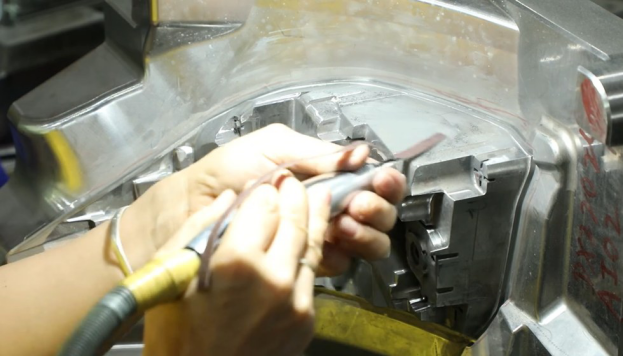
Plastic injection molding becomes more predictable when tooling decisions and molding decisions are handled as one connected workflow. Maidder combines design support, in-house toolroom capability, injection moulding, assembly, packing, and inspection, which helps teams move from trial evidence to production decisions with less friction.
Effective defect prevention depends on controlling part design, resin selection, mold construction, process parameters, and cooling as an integrated system, a principle also discussed in how to prevent injection molding defects in OEM plastic parts. The same approach applies throughout a serious mold trial.
From In-House Toolroom to Injection Moulding
A mold trial is faster to interpret when toolmaking and production teams study problems together. Flash near a shutoff may need steel correction, while a sink mark around a thick section may require processing adjustment, geometry change, or cooling improvement.
Maidder's injection moulding capability covers parts from 82g up to 3,000g, with 39 molding machines in-house and a molding shop that works 7/24. This supports low-to-high volume production while leaving room for process refinement before a longer production rhythm.
PPAP, CMM, and Production Control
The PPAP process is valuable because it asks whether the production method can consistently meet the approved product requirements. In mold trial work, PPAP thinking encourages teams to define critical dimensions, check measurement systems, record process settings, and compare sample results before production approval.
Maidder's quality approach includes CMM, dimensional checks, APQP, FMEA, PPAP submissions, and qualification stages such as DQ, IQ, OQ, and PQ. These tools matter most when they lead to practical decisions about correction, monitoring, and production approval.
Application Scenarios for Trial-Controlled Production
Hard Cooler and Outdoor Plastic Components
Hard cooler and outdoor plastic parts often combine thick walls, sealing surfaces, hinges, handles, and foaming or secondary operations. A trial process must look beyond surface appearance because the final product may depend on impact behavior, assembly alignment, gasket contact, and insulation-related structure.
For these applications, mold trial teams should watch shrinkage around thick sections, cooling balance across large surfaces, and the fit of components that will be assembled later. Stable trial control helps avoid late changes after molds, fixtures, packaging, and assembly steps have already been prepared.
Small Appliance Housings and Assembly Parts
Small appliance plastic housings bring a different set of concerns. Internal ribs, screw bosses, snap fits, motor clearances, vents, and cosmetic outer surfaces must all work together. A molded housing that is only slightly warped can cause assembly stress or create a visible gap after fastening.
A strong trial plan checks both molded dimensions and assembly behavior. Sample assessment should include functional fitting, visual inspection, and measurement of features that connect with electronics, fasteners, or other molded components.
Conclusion
Plastic injection molding is strongest when mold trials are treated as a controlled path from first samples to stable production. T0 samples, toolroom feedback, process windows, CMM inspection, and PPAP thinking work together to reduce uncertainty before volume increases.
Maidder brings design, injection mold tooling, moulding, assembly, and quality control into one connected route for custom plastic parts that need dependable production behavior.
Explore Maidder's tooling and injection molding capabilities to see how early trial control can support a smoother production launch.
FAQ
Q: What is the mold trial process in plastic injection molding?
A: The mold trial process tests a new or modified mold under real molding conditions to evaluate filling, cooling, dimensions, surface quality, ejection, and assembly fit. It helps engineers decide whether the tool needs steel adjustment, process tuning, material check, or further validation before stable mass production begins.
Q: Why are T0 samples important for custom plastic parts?
A: T0 samples are the first physical results from a completed mold. They show how the part behaves with real resin, heat, pressure, and cooling. Engineers use them to identify defects, dimensional drift, gate issues, venting limits, and fit problems before the project moves toward approval.
Q: How does CMM inspection support injection molding trials?
A: CMM inspection measures critical dimensions and compares molded parts with the approved drawing. It helps reveal shrinkage, warpage, hole-position movement, sealing-surface variation, and assembly-interface risk. When repeated across samples, the data can guide tooling correction and process control decisions.
Q: When is a mold ready for stable production?
A: A mold is ready when samples meet dimensional, visual, functional, and assembly requirements under a repeatable process window. The team should understand material behavior, key settings, cooling performance, inspection results, and any remaining risks before allowing production to scale.
